
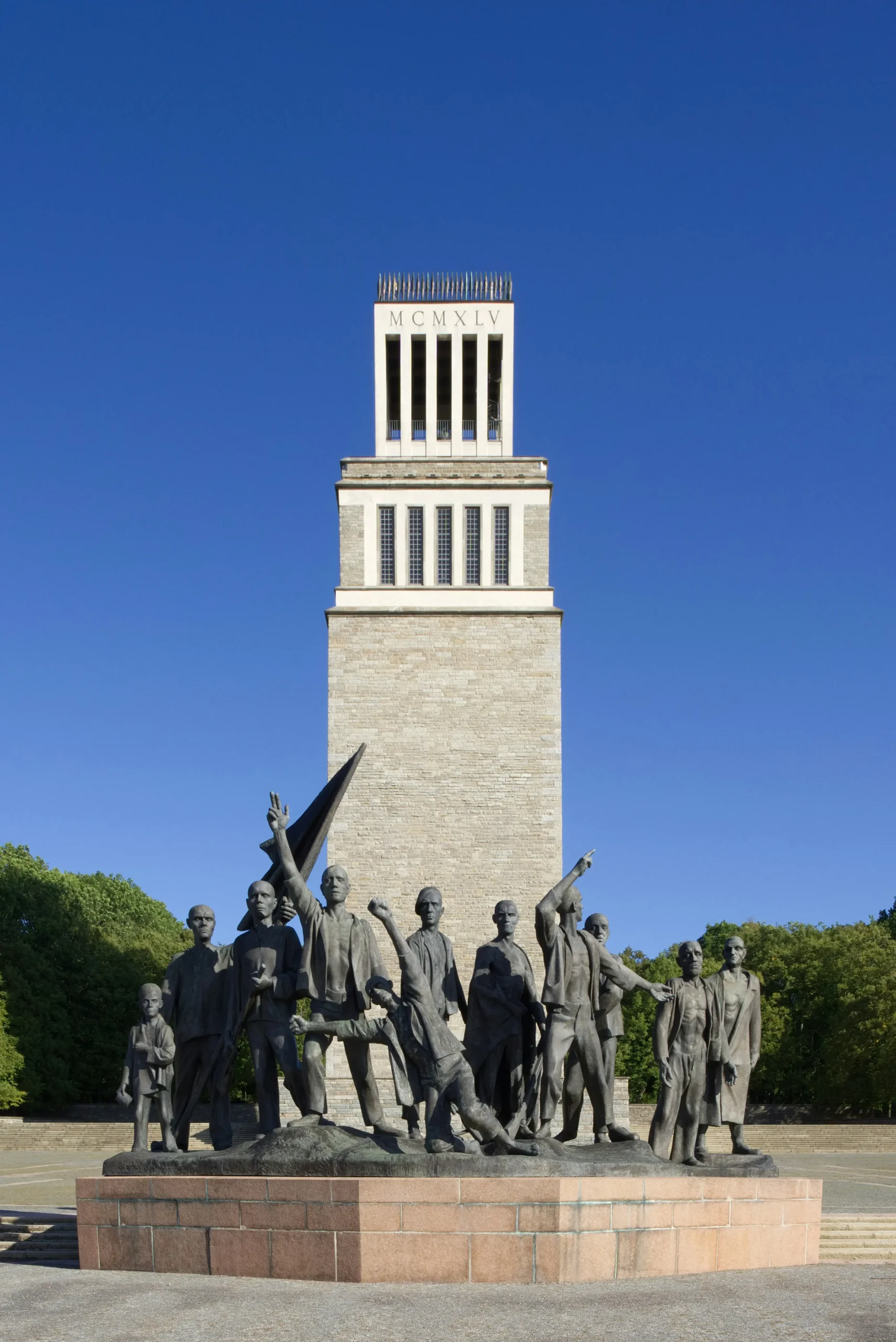
Nazi concentration camps in Germany – All you need to know
Nazi concentration camps in Germany were central to the terror and systematic persecution carried out by the Third Reich. While many associate the Holocaust with death camps in occupied Poland, such as Auschwitz or Treblinka, dozens of concentration camps operated within Germany’s pre-war borders. These sites were designed for imprisonment, forced labor, torture, and in many cases, mass murder. Visiting or researching these locations today is an act of remembrance and historical understanding. This article explains what these camps were, how they evolved, where they were located, and what remains accessible today for education and memorial purposes.
What were Nazi concentration camps?
Nazi concentration camps (Konzentrationslager, or “KZ”) were detention facilities established shortly after Hitler came to power in 1933. Initially used to imprison political opponents, trade unionists, and others deemed “enemies of the state”, their role expanded drastically during WWII. The camps became tools of systematic repression, targeting Jews, Roma, Sinti, homosexuals, disabled individuals, Jehovah’s Witnesses, and many other marginalized groups.
Unlike extermination camps built in occupied Poland, German concentration camps were primarily designed for forced labor and brutal punishment, not for immediate mass execution. However, tens of thousands died in these camps due to starvation, overwork, torture, shootings, and medical experiments
Where were concentration camps located in Germany?
More than 40 major concentration camps and over 1,000 subcamps operated in Germany and annexed territories between 1933 and 1945. Some of the most well-known camps within modern-day Germany include:
- Dachau (near Munich) – the first Nazi camp, opened in 1933. A model for later camps.
- Buchenwald (near Weimar) – one of the largest camps in Germany.
- Sachsenhausen (near Berlin) – administrative center for the SS camp system.
- Ravensbrück (north of Berlin) – primarily for women prisoners.
- Neuengamme (near Hamburg) – a major forced labor camp.
- Flossenbürg (Bavaria) – known for extremely harsh conditions.
Each camp had its own function, population, and degree of brutality. Some, like Dachau and Buchenwald, became centers of medical experimentation, while others were transit hubs feeding into extermination camps in the East.
Who was imprisoned in these camps?
In the early years (1933–1938), the Nazi regime imprisoned political enemies: Communists, Social Democrats, dissenting clergy, and journalists. After the Nuremberg Laws (1935) and the escalation of anti-Jewish policies, Jewish citizens were increasingly detained.
During and after the 1938 Kristallnacht pogrom, tens of thousands of Jews were sent to camps like Dachau, Sachsenhausen, and Buchenwald. From 1939 onward, the camp population expanded rapidly, including Polish intelligentsia, Soviet POWs, resistance fighters, and civilians from occupied countries. Women, children, and elderly individuals were also imprisoned—often in inhuman conditions.
Slave labor was a central aspect of camp function. Prisoners were forced to work for German companies, the SS, or in war production. Many died from exhaustion or were murdered when deemed “unfit.”
What conditions did prisoners face?
Conditions in German concentration camps were deliberately designed to humiliate, dehumanize, and destroy. Overcrowding, insufficient food, physical abuse, lack of sanitation, and freezing temperatures contributed to a high death toll. Prisoners were subjected to:
- Daily roll calls that lasted for hours regardless of weather.
- Brutal labor in stone quarries, arms factories, or SS-owned enterprises.
- Torture and punishment for minor infractions or no reason at all.
- Medical experiments, including sterilization, infection trials, and pharmaceutical tests.
- Execution by shooting or hanging, often carried out in public as a warning.
Suicide, disease, and malnutrition were rampant. Survival depended on luck, skills, the nature of assigned labor, or being able to establish a support network among inmates.
Are these camps open to visitors today?
Yes. Many former concentration camps in Germany are now memorial sites, museums, or educational centers. They play a critical role in Holocaust education and remembrance. Among the most accessible and well-documented are:
- Dachau Concentration Camp Memorial Site: Includes original buildings, reconstructed barracks, and an extensive exhibition.
- Sachsenhausen Memorial: Offers guided tours, archival exhibits, and educational programs.
- Buchenwald Memorial: Features preserved camp structures and a visitor center documenting prisoner life and Nazi ideology.
- Ravensbrück Memorial: A site focused on the female prisoner experience.
- Neuengamme Memorial: Includes exhibitions and a reconstructed cell block.
These memorials welcome international visitors and often provide resources in multiple languages. Entry is typically free, though guided tours may require booking.
Why visit concentration camps in Germany?
Visiting these sites is a powerful act of remembrance and confrontation with history. It allows individuals to:
- Pay respect to the victims of Nazi crimes.
- Understand the machinery of totalitarian control and propaganda.
- Educate younger generations about the consequences of hatred and indifference.
- Recognize early warning signs of authoritarianism and systemic violence.
For descendants of Holocaust victims or survivors, these visits can also be deeply personal, helping to fill in family history or reconnect with lost heritage. Many genealogical tour companies, such as Genealogy Tour, include visits to concentration camps as part of heritage trips. These tours are often customized and include historical background, archival research, and personal guidance.
What’s the difference between concentration and extermination camps?
It’s important to distinguish between concentration camps, mainly located in Germany, and extermination camps, built primarily in occupied Poland. While both were part of the Nazi camp system, their purposes were different:
- Concentration camps: Used for forced labor, imprisonment, and terror. Examples: Dachau, Buchenwald, Sachsenhausen.
- Extermination camps: Designed for mass murder through gas chambers. Examples: Auschwitz-Birkenau, Treblinka, Sobibór, Bełżec, Chełmno, Majdanek.
Some camps, like Auschwitz, combined both functions. But within Germany’s 1937 borders, no “pure” death camps existed—the mass killings took place mainly in the East. Understanding Nazi concentration camps in Germany is essential for grasping the scale and methods of oppression used during the Third Reich. These camps were not only places of suffering and death—they were part of a vast system of control and ideological warfare. Today, visiting them serves as a solemn reminder of the past and a call to vigilance in the present. Whether for historical research, education, or personal reflection, these memorials continue to carry the weight of memory and the urgency of truth.
Related Articles
Related
About Polish State Archives
Curious about your Polish roots? Discover how to access vital records, residency books, and maps through the Polish State Archives—online and in regional branches.
How to find Polish census records?
Tracing your Polish ancestors? Census-style records like resident books and population lists can reveal names, addresses, and family links. Start your search here.
How to Search Russian Family History Records – Genealogytour Guide
This guide outlines the main types of Russian family history records created between 1755 and 1917 and explains how to locate, interpret and verify them. It presents the structure of parish registers, the impact of jurisdictional changes and the role of archives in reconstructing family histories.