
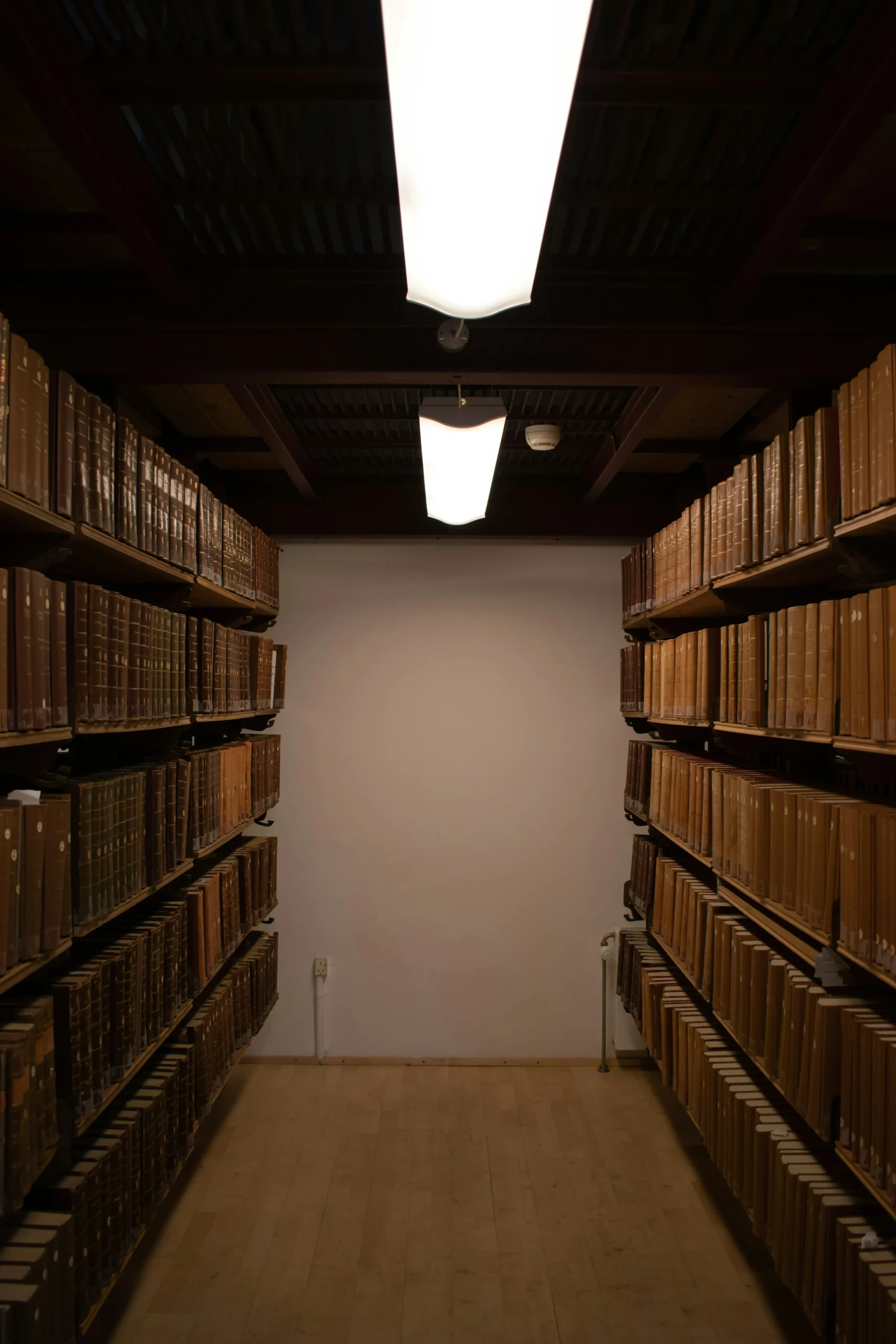
About Polish State Archives
The Polish State Archives system is one of the most valuable resources for researchers exploring the history of Poland, family genealogy, or archival documents from Central Europe. With a network of dozens of regional archives and a growing base of digitized content, the Polish archives offer access to centuries of records—births, marriages, deaths, censuses, maps, and administrative files. This guide outlines what the Polish State Archives are, how they work, what records you can access, and how to search them online for free.
What are the Polish State Archives?
The Polish State Archives (Archiwa Państwowe) comprise a decentralized, government-run network of institutions that collect, preserve, and make available public and private historical documents. Overseen by the General Director of State Archives in Warsaw, the system includes the Central Archives of Historical Records (AGAD), National Digital Archives (NAC), and more than 30 regional branches (e.g., in Kraków, Poznań, Gdańsk, Przemyśl, Lublin, Łódź).
Each regional archive stores materials generated within its historical jurisdiction—covering not just the city itself but nearby towns, villages, and administrative districts. For example, the Archiwum Państwowe w Przemyślu holds records from many small parishes, schools, and courts in southeastern Poland. Collections include not only Polish-language records but also those written in Latin, German, Russian, and Ukrainian—reflecting centuries of political and cultural change. These archives are vital for understanding local history, family structures, property rights, and migration patterns. Holdings range from legal documents and cadastral maps to guild charters, noble family correspondence, and municipal reports.
Can I search the Polish archives for free?
Yes—many resources from the Polish State Archives are freely accessible online, particularly through two major platforms:
- Szukaj w Archiwach (https://www.szukajwarchiwach.gov.pl/en) – This is the primary search engine of the Polish archives. It offers access to millions of digitized documents, including birth, marriage, and death records; census-style lists; maps; photographs; and notarial acts. Scanned images are free to browse and download. Note: not all records are indexed by name.
- National Digital Archives (NAC) (https://www.nac.gov.pl/en/) – This branch specializes in photographs, sound recordings, and film archives. It’s an excellent resource for historical images of towns, events, and daily life in Poland.
Using these platforms requires basic navigation skills and familiarity with Polish geography and historical administrative divisions. While some interfaces offer English translations, most record descriptions are in Polish.
How to access Polish archives if records are not online?
Not all archival materials have been digitized. If you’re looking for documents that aren’t available through online portals, you can:
- Contact the relevant regional archive directly. Most have websites with contact information and inventories (in Polish).
- Submit a written request. Archivists can search for documents on your behalf, though fees may apply depending on the scope of work.
- Visit the archive in person. Reading rooms (pracownie naukowe) are open to the public. Visitors must register and follow specific handling rules, but access is generally free.
- Hire a local researcher. Many genealogists based in Poland offer archive research services and can navigate complex inventories or request scans.
Each archive has its own policies regarding access, reproduction, and turnaround time.
What types of records can be found in Polish archives?
The Polish State Archives hold a vast variety of materials, especially valuable for genealogical and historical research. Some of the most commonly accessed record types include:
- Vital records (births, marriages, deaths): Civil and church records dating back to the 18th and 19th centuries.
- Population registers and census-style lists: Local residency books, migration logs, and address lists.
- Court and notarial records: Wills, land sales, inheritance disputes, property contracts.
- Military documents: Draft lists, service files, POW information.
- School and educational records: Registers of students, diplomas, exam results.
- Maps and cadastral surveys: Useful for tracing land ownership and village boundaries.
- Emigration and passport applications: Documents relating to travel and settlement abroad.
Some of these materials may also be found in church archives, museums, or municipal repositories, depending on the historical period and region.
Tips for using the online search systems
Using Szukaj w Archiwach and other databases may seem overwhelming at first, but a few techniques make the process smoother:
- Search by location before surname. Since few records are fully indexed by name, it’s best to look up the town or parish, then manually browse relevant record books.
- Know historical place names. Many villages changed names or spelling over time—check old gazetteers or use JewishGen’s Town Finder for help.
- Use filters. Narrow your search by record type (e.g., metryki urodzeń – birth registers) or archive name to avoid irrelevant results.
- Save and download PDFs. You can create personal collections or download images for later analysis.
- Translate metadata. Most item descriptions are in Polish; tools like Google Translate or browser plug-ins help decipher them.
- Cross-reference with other platforms. If a town isn’t in SWA, try FamilySearch, NAC, or regional archive websites, which may host their own digitized collections.
Practice and patience are essential. Many successful researchers report breakthroughs after learning how to navigate Polish archival logic.
What about data protection and access restrictions?
Privacy laws in Poland restrict access to more recent documents, especially those less than 100 years old. As a rule:
- Civil registry offices (Urzędy Stanu Cywilnego) keep birth records for 100 years and marriage/death records for 80 years. After that, they are transferred to archives.
- Access to post-WWII records often requires proof of kinship or permission.
- Church archives may be more or less restrictive, depending on the diocese. Some allow researchers access under supervision; others require formal permissions.
- Military and communist-era documents may have additional layers of restriction, especially for files involving surveillance or personal data.
If in doubt, contact the archive and ask whether a document is publicly accessible. The Polish State Archives represent one of the most advanced archival ecosystems in Central Europe. With a combination of digital access, local expertise, and regional specificity, they offer unparalleled insight into Poland’s historical and familial landscape. Whether you’re exploring noble ancestry in Mazovia, tracking postwar migration from Silesia, or uncovering hidden stories in Galician court records, the archives hold the key. And with growing digitization and support for international researchers, now is the best time to start unlocking the past.
Related Articles
Related
Nazi concentration camps in Germany – All you need to know
Concentration camps like Dachau, Buchenwald, and Sachsenhausen played a brutal role in Nazi Germany. Learn about their purpose, history, and how to visit today.
How to find Polish census records?
Tracing your Polish ancestors? Census-style records like resident books and population lists can reveal names, addresses, and family links. Start your search here.
How to Search Russian Family History Records – Genealogytour Guide
This guide outlines the main types of Russian family history records created between 1755 and 1917 and explains how to locate, interpret and verify them. It presents the structure of parish registers, the impact of jurisdictional changes and the role of archives in reconstructing family histories.