
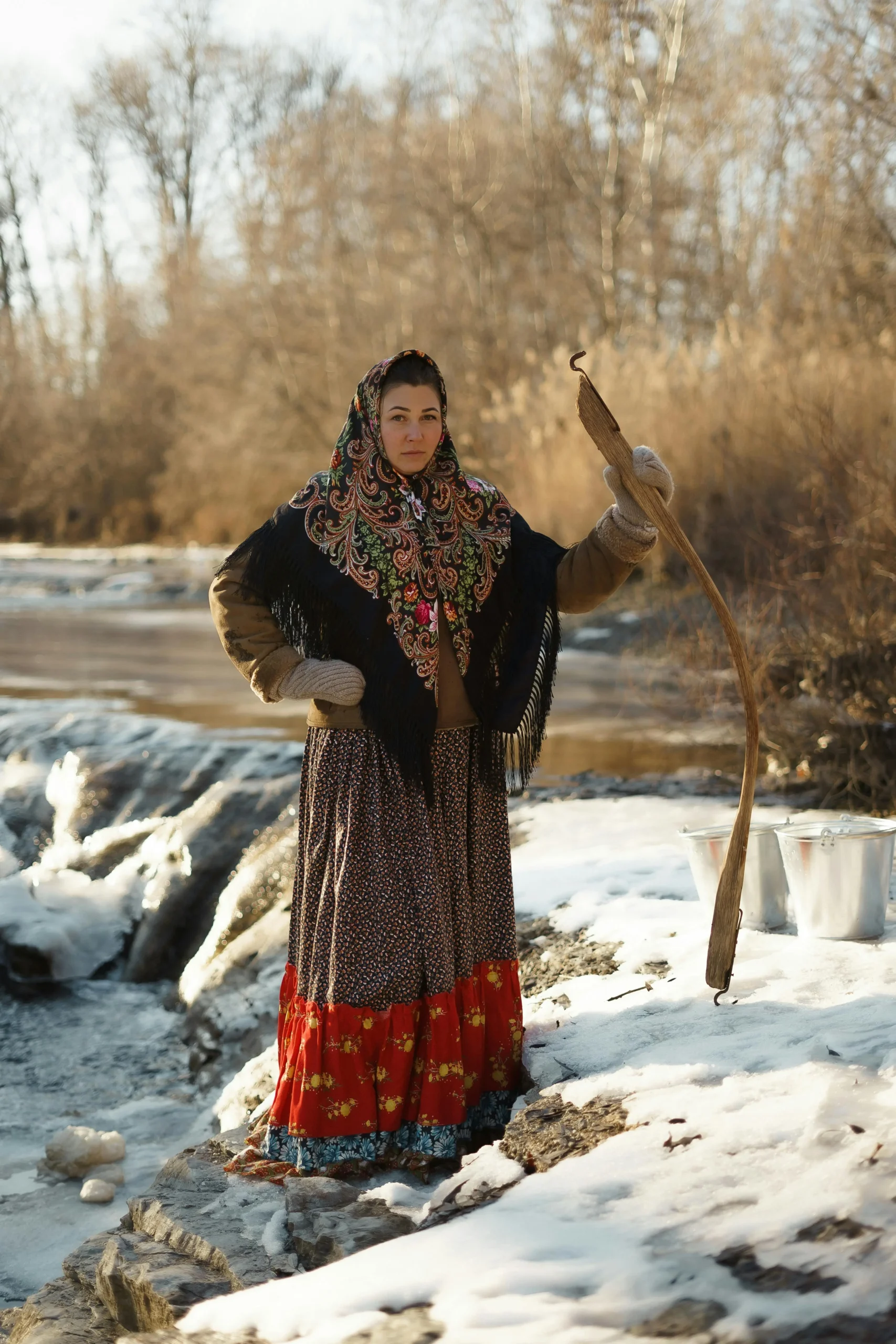
Exploring the slavic languages
Exploring the Slavic languages further unveils a landscape rich in linguistic diversity, historical depth, and cultural significance. The journey from their Proto-Slavic roots to the contemporary spectrum of languages reflects a complex interplay of historical migrations, political changes, and cultural exchanges. This section delves deeper into the nuances of the Slavic language family, examining its classification, the unique features of individual languages, and the cultural contexts in which they have developed.
Slavic langugages classification and subgroups
The Slavic languages are traditionally classified into three main branches: East Slavic, West Slavic, and South Slavic. Each subgroup contains languages that share deeper linguistic features and historical connections:
-
East Slavic: Includes Russian, Ukrainian, and Belarusian. These languages are spoken primarily in Russia, Ukraine, and Belarus, reflecting a high degree of mutual intelligibility, particularly between Ukrainian and Belarusian.
-
West Slavic: Comprises Polish, Czech, Slovak, and the Sorbian languages. These languages are characterized by their innovative linguistic features and are spoken in Central Europe, including Poland, the Czech Republic, Slovakia, and parts of Germany.
-
South Slavic: Encompasses Bulgarian, Macedonian, Serbian, Croatian, Bosnian, Montenegrin, and Slovenian. This group is geographically dispersed across the Balkans and exhibits significant linguistic diversity, partly due to the historical influence of the Ottoman Empire and the Austro-Hungarian Empire.
Related Articles
Related
About Polish State Archives
Curious about your Polish roots? Discover how to access vital records, residency books, and maps through the Polish State Archives—online and in regional branches.
Nazi concentration camps in Germany – All you need to know
Concentration camps like Dachau, Buchenwald, and Sachsenhausen played a brutal role in Nazi Germany. Learn about their purpose, history, and how to visit today.
How to find Polish census records?
Tracing your Polish ancestors? Census-style records like resident books and population lists can reveal names, addresses, and family links. Start your search here.