
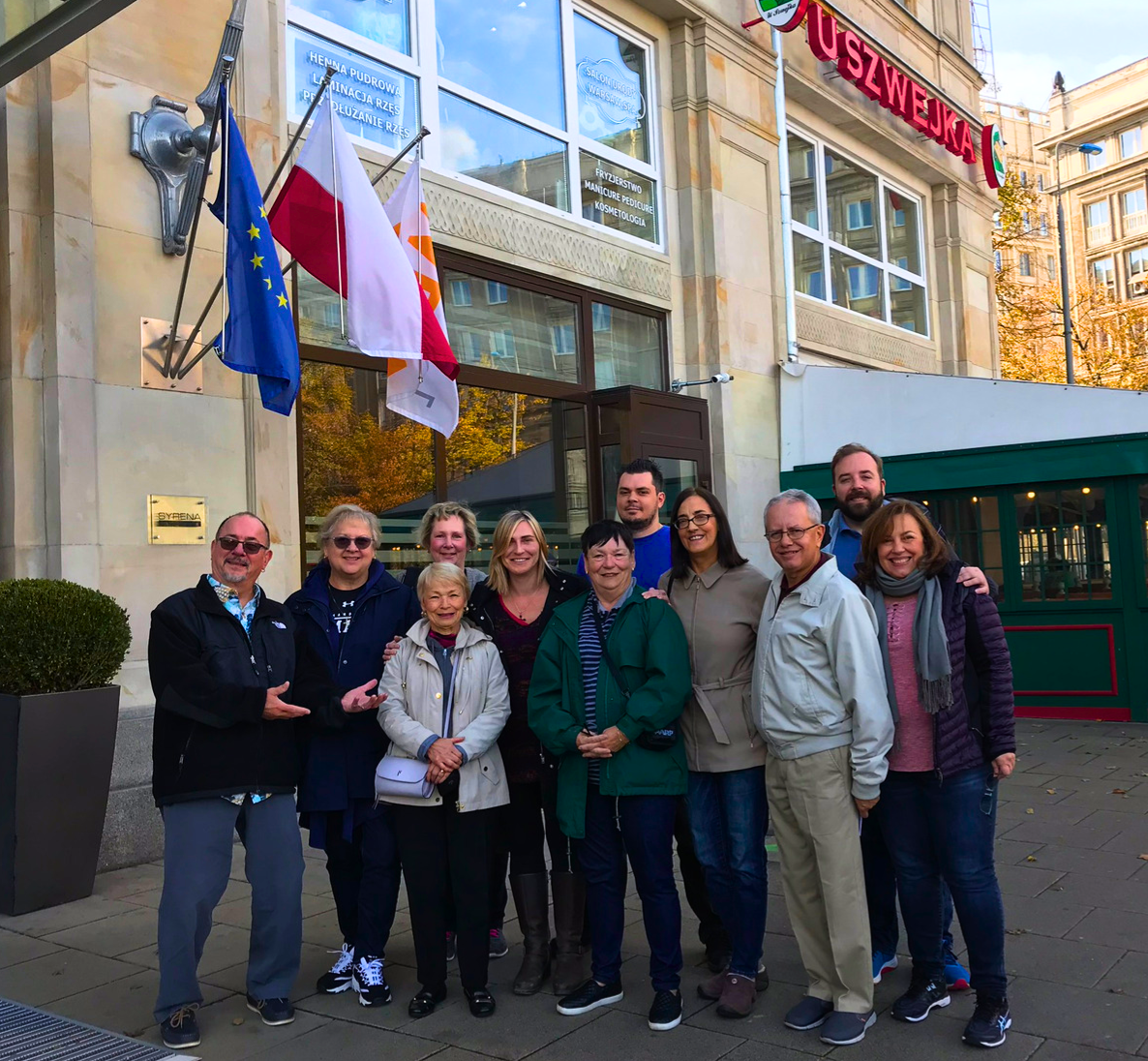
Small Group Trips Through Central Europe with Genealogytour
Small group trips through Central Europe organised by GenealogyTour.com offer a focused way to explore historical landscapes connected with many family stories. Travellers move through regions shaped by former empires, shifting borders and the daily life of diverse communities. The format prioritises clarity, access to local sites and opportunities to observe details that are often overlooked in larger groups.
Small-group travel in a historical landscape
Small group tours of Central Europe are designed for travellers who want to understand how places, institutions and communities developed across different political eras. Many visitors come with surnames or locations passed down in the family, and the tour helps them recognise these names in the physical setting. Guides explain the broader history of the region, including the influence of the Habsburg Monarchy, the role of major cities such as Krakow and Prague, and the impact of the First and Second World War on urban and rural populations.
In a small group, it becomes easier to stop at particular landmarks, discuss architectural details and follow routes that reflect local history. Streets, neighbourhoods and preserved districts show how communities changed, where industries developed and how migration patterns formed. This format provides context for records found in archives and digital databases, allowing participants to connect documents to real locations rather than treating them as isolated entries.
Itinerary example: Krakow, Zakopane and Tatra foothills
A representative small group route includes Krakow and the surrounding region. Krakow’s Old Town, Wawel Royal Castle and Kazimierz illustrate the continuity of cultural, religious and educational life over several centuries. The preserved street grid and historic buildings help visitors understand the development of guilds, universities and trade routes. These elements appear frequently in genealogical sources from the region.
From Krakow, the tour often continues south to Zakopane and the Tatra foothills. Wooden architecture, highland villages and mountain routes show a distinct regional identity shaped by geography and tradition. Participants walk through areas where seasonal migration, shepherding and early tourism influenced local livelihoods. For travellers with ancestry in the Carpathian region, this part of the journey helps clarify how landscape affected settlement patterns and occupations that appear in older records.
Heritage routes across Poland: Lesser Poland and Silesia
Another example of small-group travel leads through Lesser Poland and Silesia. The tour highlights towns and cities that developed under different state systems. In Lesser Poland, visitors see how older market towns grew around parish churches, schools and trade links. Buildings and layouts often reflect early modern origins, preserved despite adversities of the twentieth century.
In Silesia, travellers encounter a region shaped by industrialisation and changing sovereignty. Cities such as Wrocław, Opole or smaller Silesian localities represent places where administrative boundaries shifted, populations moved and industries expanded. For participants tracing ancestors who lived near mining or industrial centres, these landscapes explain job descriptions, migration patterns and military references found in birth and marriage records. The small-group format allows for more time in less crowded areas, with guided explanations tied to local examples.
Cultural and regional diversity in Central Europe
Central Europe contains areas with distinct cultural traditions that developed despite shared historical frameworks. Small group trips allow travellers to observe these differences directly. In the Czech lands, preserved medieval quarters, baroque churches and nineteenth-century districts show how urban centres evolved over time. In Moravia, wine-producing villages and regional museums document agricultural practices and folk traditions that shaped daily life.
Hungary and Slovakia offer another layer of diversity. Cities such as Bratislava and Budapest present the heritage of the Danube region, where administrative, trade and cultural connections formed over centuries. Many family stories include references to these areas, especially in the context of movement within Austria-Hungary. Walking through these locations helps participants understand how borders and identities changed, and how these shifts appear in genealogical entries linked to residence, occupation or religious affiliation.
Local experiences and thematic walks in small-group travel
Small-group heritage tours often include short thematic walks that help participants understand how daily life unfolded in past centuries. In Krakow, these routes sometimes follow former trade paths leading from the market square toward craft districts, where guild buildings and workshops once operated. Visitors see how local economies were organised and how this influenced occupational titles recorded in family documents.
In southern Poland and the Czech lands, thematic walks may focus on rural settlement patterns. Villages arranged along a single main road, wooden farm buildings and small parish complexes illustrate a model typical for many Central European regions. These features appear across nineteenth-century cadastral maps and early population registers used in genealogical research.
Hungary and Slovakia often add routes linked to the Danube basin. Walking along historical embankments or former merchant quarters allows participants to observe the role of river transport in shaping trade networks. These settings help travellers interpret references to river ports, ferries or customs points that sometimes appear in older records. The small-group format supports these focused walks by giving enough time for questions and detailed explanations on site.
Structure and benefits of small-group format
Small group trips to Europe organised by GenealogyTour.com focus on continuity and clarity. Group size remains limited, allowing for direct interaction with guides and more time at specific sites. Travellers often choose this format to better understand individual family histories or to learn about the region before beginning archival research. Guides highlight where key sources are stored, how administrative divisions changed and why certain surnames occur across large territories.
Logistical arrangements support this approach. Accommodation is selected in central locations, which shortens transfers and makes it easier to explore historic districts on foot. Routes combine well-known heritage sites with lesser-known localities that hold significance for regional history. This provides a structured and calm environment for learning about landscapes connected with different cultural groups, religious traditions and political developments across Central Europe.
Small group tours through Central Europe with GenealogyTour.com present the region through carefully selected routes that reflect its layered history. Travellers move through cities and villages shaped by empires, industries, trade routes and social change. The tour offers a clear view of how these developments influenced everyday life and why they appear so frequently in genealogical sources. In this format, participants gain a deeper understanding of the historical setting that shaped the experiences of earlier generations.
Related Articles
Related
About Polish State Archives
Curious about your Polish roots? Discover how to access vital records, residency books, and maps through the Polish State Archives—online and in regional branches.
Nazi concentration camps in Germany – All you need to know
Concentration camps like Dachau, Buchenwald, and Sachsenhausen played a brutal role in Nazi Germany. Learn about their purpose, history, and how to visit today.
How to find Polish census records?
Tracing your Polish ancestors? Census-style records like resident books and population lists can reveal names, addresses, and family links. Start your search here.